Skill isn't Born- It's Built
Skill Is Not Born, It’s Built
Inside Vision Soccer: Building Smarter, More Confident Players (Article 2)
As a coach, there’s nothing more rewarding than watching a young player suddenly “get it.”
That moment when a child dribbles past an opponent for the first time, or confidently takes a shot they wouldn’t have tried a month ago, that’s growth.
And there’s nothing more disheartening than seeing that progress pause too soon, often because a child leaves for an environment that does not build a players foundation.
Sometimes families choose AYSO or another recreational program, or try a different sport altogether. Those are understandable decisions, every parent wants what’s best for their child. But what I’ve seen over many years of coaching is that when players step away from a developmental environment too early, their growth often slows down. They get fewer touches, less one-on-one play, and fewer opportunities to make their own decisions. And over time, that shows.
Because in the long run, skill isn’t born, it’s built.
The Greater the Investment, the Greater the Return
Just like learning to read, play an instrument, or speak a new language, soccer skills are learned through time and repetition. A child who can dribble confidently, turn smoothly, and stay calm under pressure isn’t “gifted”, they’ve simply invested more time in meaningful practice.
In my experience, there’s a clear difference between the player who trains once a week and the one who trains two or three times per week in an age-appropriate, developmental environment. The difference isn’t talent, it’s investment.
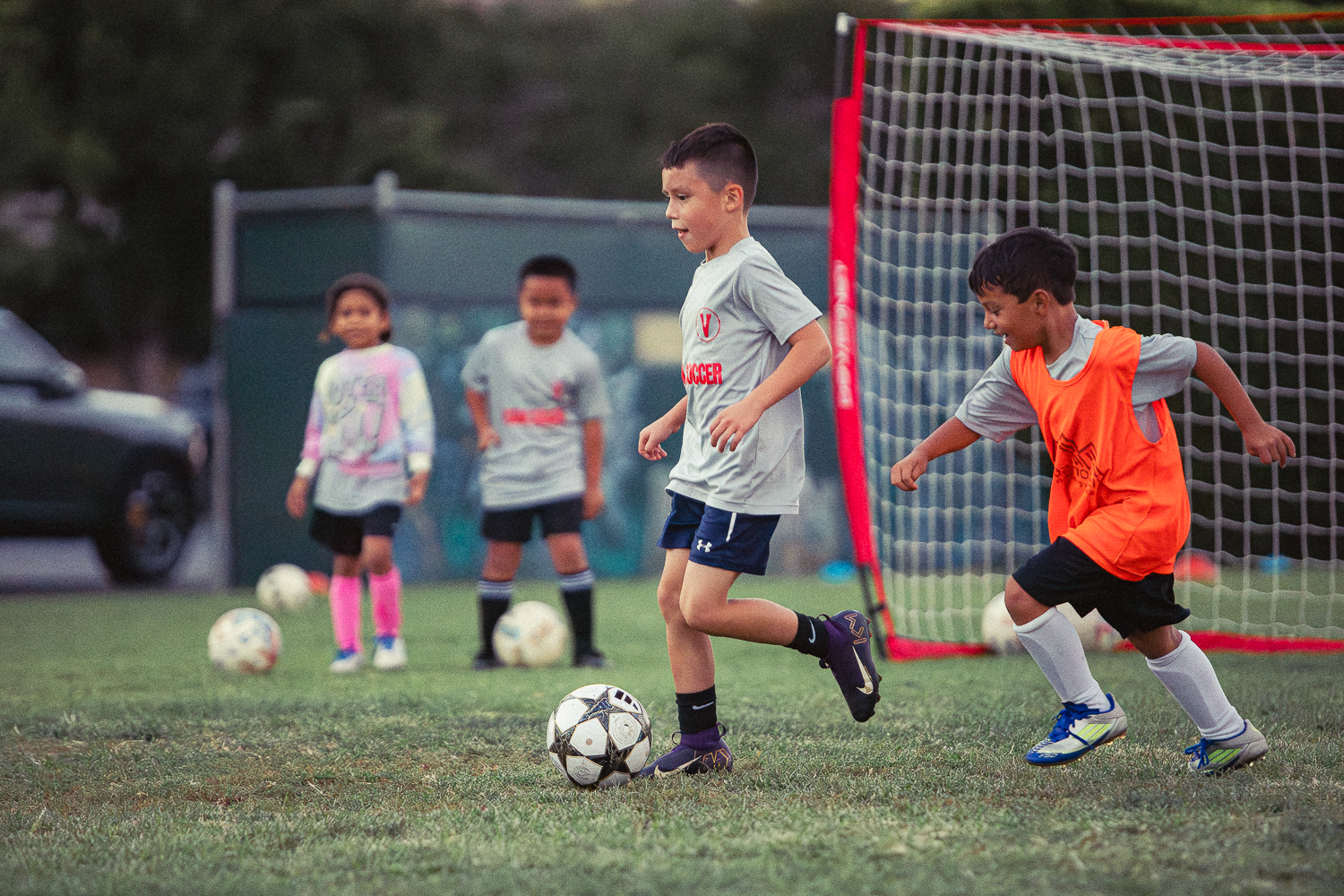
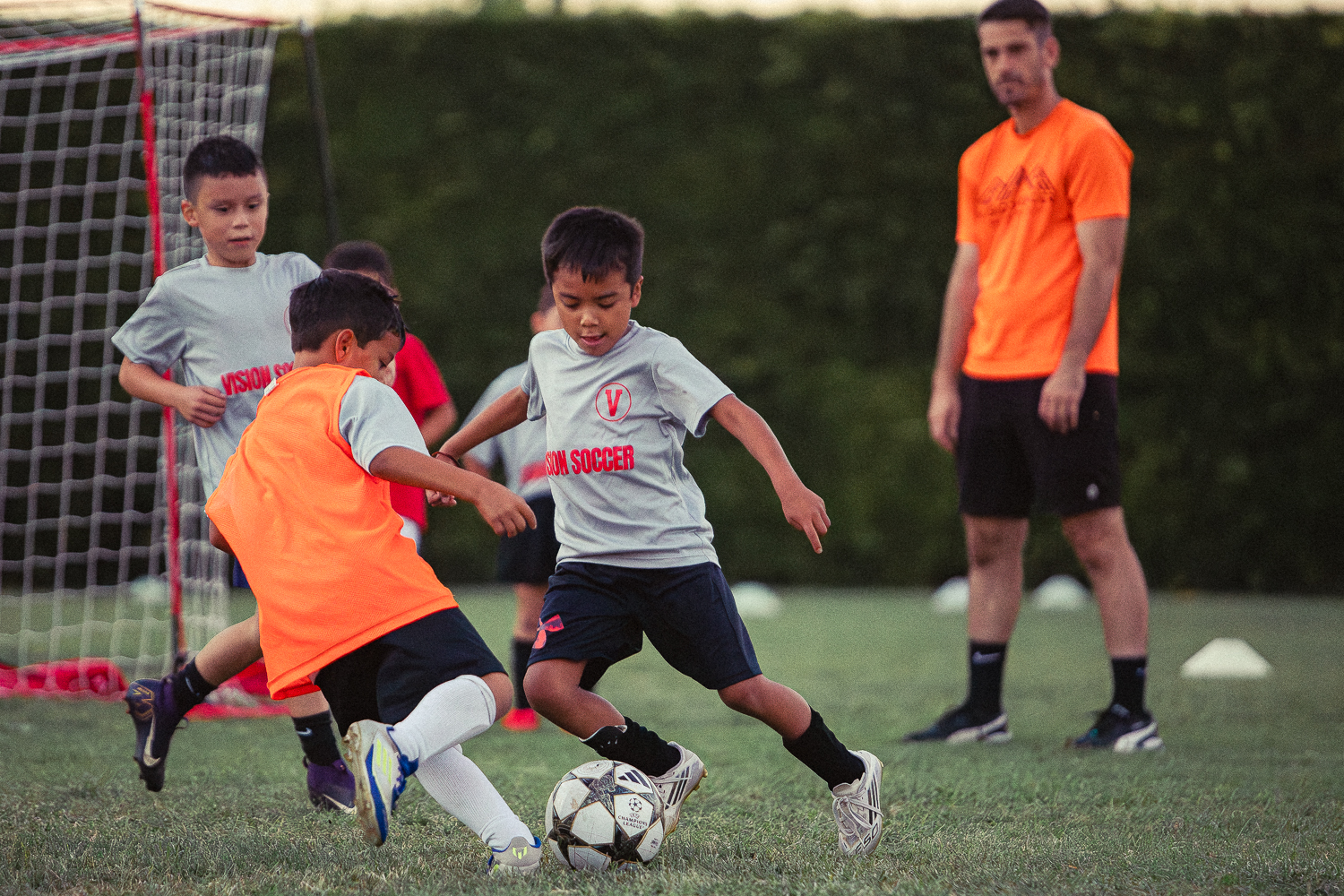
At Vision Soccer, our players spend time mastering their movement, their balance, and their relationship with the ball. We emphasize 1v1 and 2v1 situations and play constant small-sided games, because that’s where true learning happens. Those experiences may look simple now, but they’re preparing players for what’s coming later, when the game becomes faster, more tactical, and far more complex.
The investment you make today, in time, patience, and repetition, becomes the confidence and intelligence your child will rely on for years to come.
What Happens When the Foundation Is Skipped
When players take a break from soccer or join programs without a developmental curriculum, it often comes at a cost, even if it doesn’t show right away.
Many traditional youth environments skip foundational work and focus on tactics and formations too early. Players spend time in lines, listen to long team talks, or play large-sided games that limit their involvement. There’s less time on the ball, less decision-making, and less creativity.
The problem isn’t effort, it's the environment.
Without consistent 1v1 play, ball mastery, and guided repetition, players simply don’t get enough of the right experiences during their most important years of development. Later, when the game becomes more tactical and requires quick problem-solving, they struggle to keep up, not because they’re less capable, but because the foundation underneath them was never built deep enough.
The Method Behind Vision Soccer
Everything we do at Vision Soccer has a purpose.
To some, our sessions may look like games and races. But underneath the fun is a carefully designed curriculum. Each activity builds on the last. Every dribble, every turn, every challenge is preparing players to think for themselves, to adapt, to problem-solve, and to play with confidence when the game demands more of them.
Our approach is modeled after the most successful development systems in the world, where the focus isn’t on winning early, but on building players for life. The child who is learning to solve problems in 1v1s today will one day be the player who can navigate the complexity of 11v11 without fear.
Joy Fuels Mastery
True development doesn’t come from pressure or perfection, it comes from joy.
We want kids to love the game. Because when a child loves the ball, they’ll play on their own, in the backyard, at school, or in the living room. That passion is what drives repetition, and repetition is what builds mastery.
As Johan Cruyff said, “You play football with your head, and your legs are there to help you.”
At Vision Soccer, we create environments where players think, create,
and play freely. Mistakes are welcome, effort is celebrated, and
learning happens naturally, disguised as fun.
Trust the Process: The Payoff Is Coming
Player development is not a race. It’s a journey that unfolds over years, not weeks, or months. The foundation we’re building now: confidence on the ball, comfort under pressure, love for the game, will separate players later, when the game becomes more demanding and complex.
I’ve seen it time and again: the kids who stick with the process, who keep showing up, who stay in an environment that challenges and supports them, they’re the ones who thrive later on.
So if your child is still early in their soccer journey, remember: what might feel repetitive now is actually essential. Every touch, every 1v1, and small-sided game is another important step to building your players foundation.
Stay patient. Stay committed. The investment you make today will be evident for years to come, in your child’s confidence, their understanding, and their joy for the game.
At Vision Soccer, we’re not just developing players for
today. We’re preparing them to love, understand, and excel in the game
for life.
Because skill isn’t born, it’s built.
If you’re looking for a development-first soccer program for your child, learn more at www.visionsoccer.org